Introduction
Imagine opening a store in the middle of a desert — great products, passionate team, zero customers. That’s what running a business without digital marketing feels like in today’s world.
The internet has fundamentally changed the way people discover, evaluate, and buy products. Whether you’re a local bakery in Lucknow or a SaaS startup scaling globally, your customers are online — scrolling, searching, comparing, and clicking. The question is: are you showing up where they are?
That’s exactly why digital marketing is important for business — not as an option, but as a survival strategy.
In this guide, we’ll break down everything you need to know: what digital marketing actually means, why it matters more than ever, and how it can transform your business from invisible to irresistible.
Table of Contents
What Is Digital Marketing?
Digital marketing refers to all marketing efforts that use the internet or electronic devices to connect with potential customers. It’s an umbrella term that includes:
- Search Engine Optimization (SEO)
- Content Marketing
- Social Media Marketing
- Email Marketing
- Pay-Per-Click Advertising (PPC)
- Affiliate Marketing
- Influencer Marketing
- Video Marketing
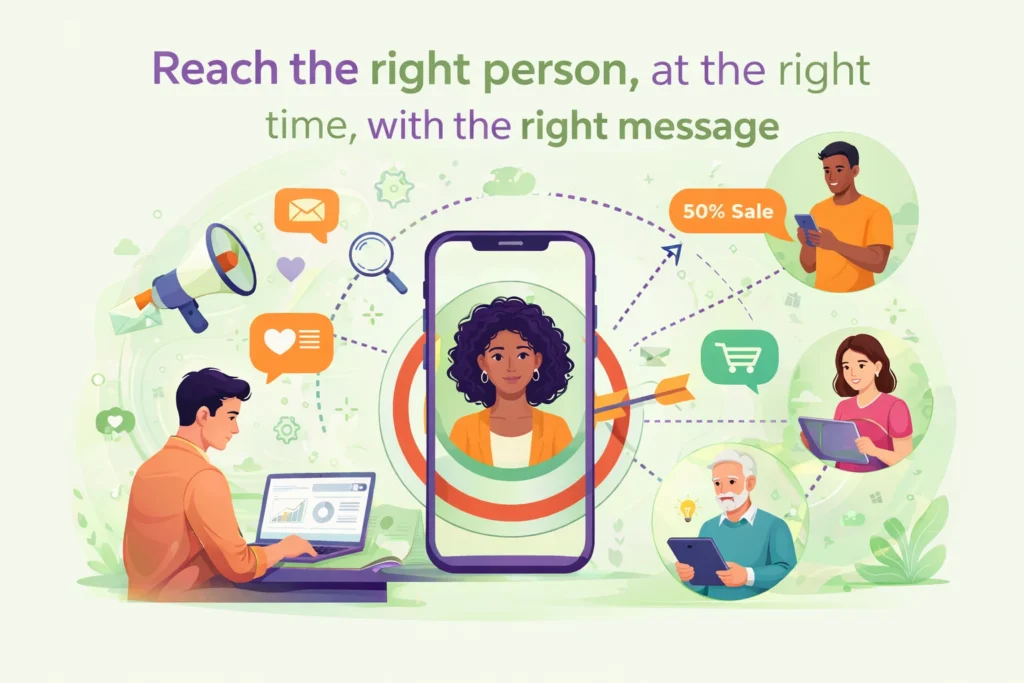
Unlike traditional marketing — think billboards, TV ads, and newspaper columns — digital marketing allows businesses to reach the right person, at the right time, with the right message. And the best part? You can measure every single move.
Why Digital Marketing Is Important for Business: 12 Powerful Reasons
1. Your Customers Are Online — All the Time
There are over 5.5 billion internet users worldwide as of 2026. People use Google to find restaurants, https://www.youtube.com to learn new skills, Instagram to discover brands, and Amazon to shop. If your business doesn’t have a digital presence, you simply don’t exist in their world.
Digital marketing bridges that gap. It puts your brand exactly where your audience is spending their time.
2. It Levels the Playing Field
Here’s something remarkable about digital marketing: a well-crafted blog post or a smartly targeted Instagram ad from a small business can outperform a multinational brand’s campaign.
Traditional marketing was expensive — TV commercials and full-page magazine ads were reserved for businesses with deep pockets. Digital marketing democratizes visibility. With the right strategy, a startup with a modest budget can compete with industry giants.
3. It Is Incredibly Cost-Effective
Consider this: running a Google Ads campaign can cost as little as ₹500 a day and still reach thousands of potential customers. Compare that to a newspaper ad or a hoarding on a busy street — the ROI doesn’t even come close.
Digital marketing offers flexible budgeting across channels:
- SEO — Long-term, low-cost organic traffic
- Email marketing — One of the highest ROI channels (averaging $36 for every $1 spent)
- Social media — Organic reach + affordable paid promotion
- Content marketing — Builds authority over time with minimal spend
You spend smarter, not bigger.
4. Precise Targeting = Zero Wasted Spend
This is where digital marketing truly shines. Instead of blasting your message to everyone and hoping someone bites, digital marketing lets you surgically target your ideal customer based on:
- Age, gender, location
- Interests and hobbies
- Online behavior and purchase history
- Income level and profession
- Device type and browsing patterns
A women’s ethnic wear brand in Jaipur can run Facebook ads exclusively targeting women between 25–45, living in Tier 1 cities, interested in fashion — and nobody else. That’s the power of precision.
5. Real-Time, Measurable Results
Ask a business owner who invested in a newspaper ad how many people called after seeing it. Chances are, they won’t know.
Digital marketing gives you data for everything:
- How many people saw your ad
- How many clicked it
- How many became customers
- What time of day performs best
- Which headline drove more conversions
Tools like Google Analytics, Meta Business Suite, SEMrush, and HubSpot give you a real-time dashboard of your marketing performance. You can make decisions backed by data — not guesswork.
6. It Builds Brand Awareness and Authority
Consistently showing up — whether through blog posts, social media, YouTube videos, or podcasts — builds brand recognition and trust over time.
When people repeatedly see your brand providing value, they begin to associate you with expertise. And when they’re ready to buy, they don’t Google “best digital marketing agency” — they go straight to the brand they already trust.
This is called top-of-mind awareness, and digital marketing is the most effective tool to achieve it.
7. Higher Conversion Rates
Digital marketing isn’t just about visibility — it’s about turning visitors into buyers.
Techniques like:
- Retargeting ads (reaching people who visited your site but didn’t buy)
- Email nurture sequences (warming up leads until they’re ready)
- Landing page optimization (removing friction from the buying journey)
- Chatbots and live chat (answering doubts in real time)
…all work together to convert interest into action. The result? More sales from the same traffic.
8. It Supports Every Stage of the Customer Journey
A customer doesn’t go from stranger to buyer overnight. They go through stages:
Awareness → Consideration → Decision → Loyalty
Digital marketing has tools for every stage:
| Stage | Strategy |
|---|---|
| Awareness | SEO, Social Media, YouTube Ads |
| Consideration | Blog Content, Email Campaigns, Webinars |
| Decision | PPC Ads, Testimonials, Case Studies |
| Loyalty | Email Newsletters, Loyalty Programs, Retargeting |
This full-funnel approach ensures no potential customer falls through the cracks.
9. Global Reach, Local Impact
Digital marketing removes geographical boundaries. A handicraft seller in Varanasi can sell to a customer in Vancouver. A yoga instructor in Rishikesh can teach students in New York — all through digital channels.
At the same time, local SEO and geo-targeted ads allow you to dominate your local market. You can go hyper-local or go global — or both — depending on your goals.
10. Engages Your Audience Directly
Digital marketing is not a monologue — it’s a conversation.
Through comments, DMs, polls, stories, reviews, and community groups, you can interact with your audience in real time. This two-way communication builds:
- Stronger customer relationships
- Faster feedback loops
- A loyal brand community
- Authentic word-of-mouth referrals
The brands that listen and engage are the ones that win long-term.
11. Keeps You Competitive and Relevant
Your competitors are already investing in digital marketing. If you’re not, you’re handing them your market share on a silver platter.
Beyond competition, consumer behavior keeps evolving — new platforms emerge, search algorithms update, trends shift. Digital marketing keeps your business agile and adaptive, ensuring you stay relevant no matter how the landscape changes.
12. Drives Long-Term, Sustainable Business Growth
Unlike a one-time ad that disappears when your budget runs out, digital marketing assets compound over time:
- A blog post ranks on Google for years
- An email list grows and becomes more valuable
- A YouTube channel builds a loyal subscriber base
- Strong social proof through reviews keeps converting new customers
This is marketing that works while you sleep.
The Most Important Digital Marketing Channels for Businesses
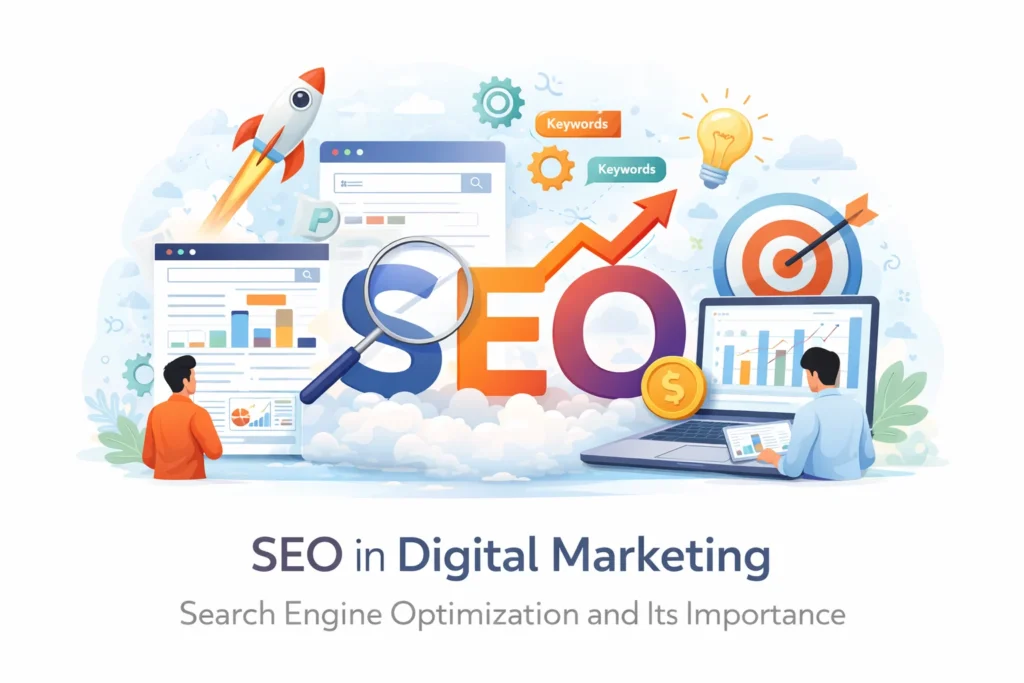
🔍 SEO (Search Engine Optimization)
The foundation of long-term visibility. If someone Googles “best interior designers in Mumbai,” SEO determines whether your website shows up on Page 1 — or Page 10 (which nobody visits).
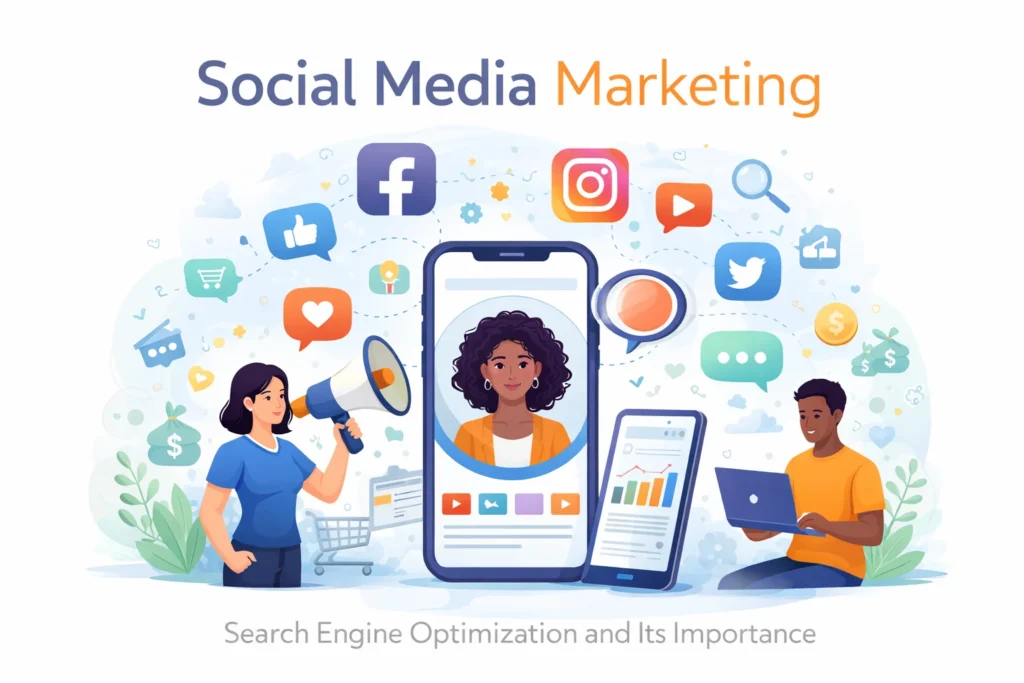
📱 Social Media Marketing
Platforms like Instagram, LinkedIn, Facebook, and YouTube are where your audience lives. Consistent, valuable content here builds brand loyalty and drives traffic.
✉️ Email Marketing
Often underrated, email marketing delivers the highest ROI of any channel. Your email list is an asset you own — unlike social media followers, which can disappear with an algorithm change.
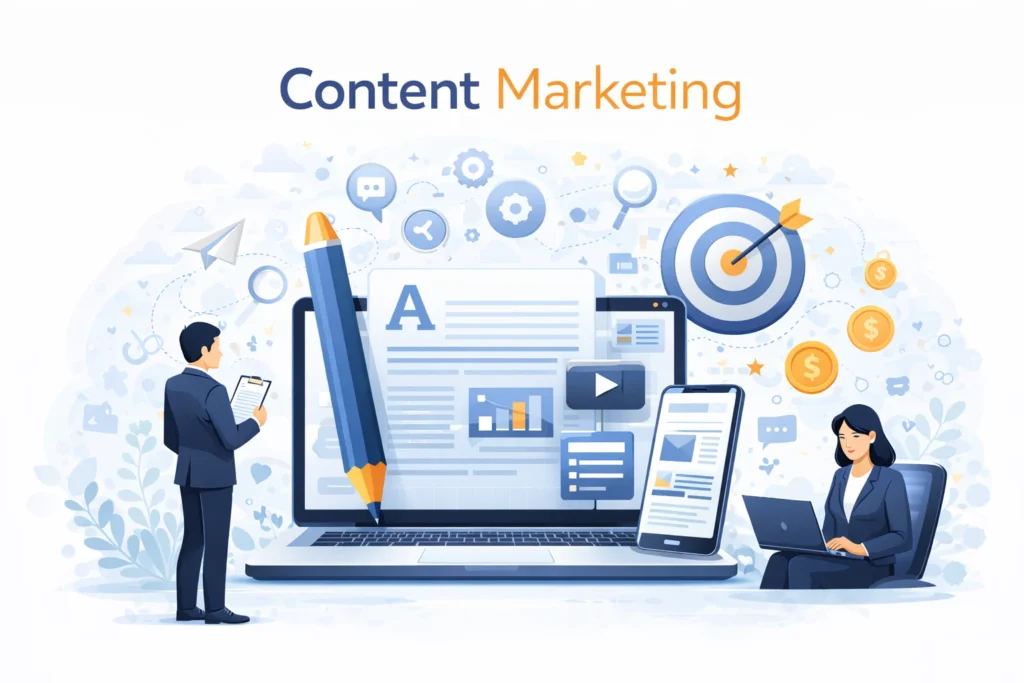
📝 Content Marketing
Blogs, videos, infographics, podcasts — content establishes your expertise, improves SEO, and nurtures your audience through the buyer journey.
💰 Paid Advertising (PPC)
Google Ads, Meta Ads, LinkedIn Ads — perfect for fast results. Ideal when launching a new product or targeting a specific audience quickly.
Common Mistakes Businesses Make with Digital Marketing
Even with the best intentions, businesses often stumble. Watch out for these:
❌ No clear strategy — posting randomly without goals or a content plan
❌ Ignoring SEO — great content that nobody finds because it’s not optimized
❌ Chasing vanity metrics — obsessing over likes instead of leads and conversions
❌ Inconsistency — showing up for a month, then disappearing for three
❌ Not knowing their audience — creating content for everyone means resonating with no one
❌ Neglecting mobile users — over 70% of internet browsing happens on mobile devices’
https://witnexa.com/contact-us/ GET RIGHT PARTNER FOR YOUR DIGITAL MARKETING NEEDS
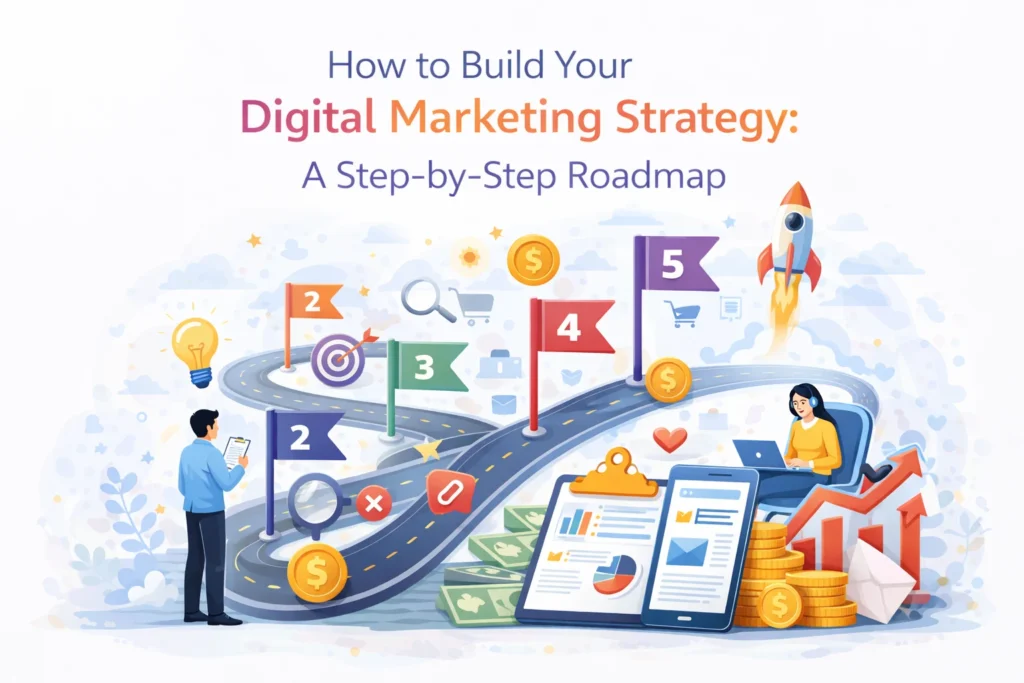
How to Build Your Digital Marketing Strategy: A Step-by-Step Roadmap
Step 1 — Define Clear Business Goals What do you want digital marketing to achieve? Brand awareness? Lead generation? Direct sales? Loyalty?
Step 2 — Identify and Research Your Target Audience Who is your ideal customer? Where do they spend time online? What problems are they searching to solve?
Step 3 — Audit Your Current Digital Presence Website, social media profiles, Google My Business listing, existing content — what’s working, what isn’t?
Step 4 — Choose Your Primary Channels Don’t try to be everywhere at once. Pick 2–3 channels that best align with your audience and goals. Master those before expanding.
Step 5 — Create a Content Calendar Plan and schedule your content 30 days in advance. Consistency is the #1 predictor of digital marketing success.
Step 6 — Launch, Track, and Optimize Use Google Analytics, Meta Insights, and SEMrush to track performance. Kill what isn’t working. Scale what is.
Step 7 — Build Long-Term Assets Grow your email list, earn backlinks, publish evergreen content, collect reviews. These compound over time.
FAQ’S
❓ Q1: Why is digital marketing important for small businesses specifically?
A: Digital marketing gives small businesses the ability to compete with larger companies without needing a massive budget. Through SEO, social media, and email marketing, a small business can build a loyal customer base, drive consistent leads, and establish brand authority — all with very targeted, cost-effective spend. It removes geographical limitations and creates equal opportunity for growth regardless of company size.
❓ Q2: How long does it take to see results from digital marketing?
A: It depends on the channel. Paid ads (PPC) can deliver results within 24–48 hours of going live. Social media marketing typically shows engagement growth within 4–8 weeks of consistent posting. SEO is a longer game — expect meaningful organic traffic growth within 3–6 months, with significant results by month 9–12. Email marketing results are visible almost immediately once a campaign is sent. The key is consistency and patience — digital marketing is a marathon, not a sprint.
❓ Q3: How much should a business spend on digital marketing?
A: A common benchmark is to invest 7–12% of your annual revenue on marketing, with a significant portion allocated to digital channels. For startups and small businesses, a practical starting point is ₹15,000–₹50,000 per month across SEO, social media content, and a small paid ads budget. As your campaigns deliver data and results, you can scale smartly based on what’s working.
❓ Q4: Can digital marketing work for B2B businesses, not just B2C?
A: Absolutely. In fact, digital marketing is arguably even more critical for B2B businesses. LinkedIn marketing, SEO-optimized thought leadership content, email nurture sequences, webinars, and case studies are all highly effective B2B digital marketing tools. Platforms like LinkedIn allow you to target by job title, company size, and industry — making B2B targeting incredibly precise and efficient.
❓ Q5: What is the most important digital marketing channel for a new business?
A: For a brand-new business, the priority stack should look like this:
Google My Business — get found locally, for free, immediately
SEO — build long-term organic discoverability
Social Media (1–2 platforms) — build community and brand awareness
Email Marketing — start building your list from day one
Paid ads are powerful but most effective when you already have some data and conversion-optimized pages to send traffic to.
CONCLUSION
Your customers are online. Your competitors are online. And the businesses that will own the next decade of growth are the ones investing in their digital presence today — not waiting until it becomes urgent.
Digital marketing is not a silver bullet. It requires strategy, consistency, patience, and a willingness to test and learn. But for businesses that commit to it, the rewards are transformational: more visibility, more leads, lower acquisition costs, stronger customer relationships, and sustainable long-term growth.
Whether you start with SEO, social media, email marketing, or paid ads — start somewhere, start today. Because in the digital economy, the biggest risk is not trying and failing. The biggest risk is staying invisible while the world moves on without you.